Photos, Part 1
- They're larger than they should appear in this image. For more
detail, try clicking on them, or right-clicking and downloading.
- I should have larger versions of all of these. If you want to
see full detail, just ask.
- I'll put photos of my mother's hometown in a different email,
since this is probably already pretty large...
Bra and the Langhe region of Piemonte
- Cavour's Castle and vineyard at Grinzane

Milan
- An iconic image associated with Milan: a golden statue of our
lady atop the cathedral (called Il Duomo)
 '
'
- A Milanese superstitious ritual, which of course every idiot
tourist wants to perform. You don't want to know the details.

Venice
- I mentioned how Venetian advertisements are often in Venetian,
not Italian. If you type the cartoon's words into an online
translator for Italian, it will choke on most of the words
(especially the last panel).

Glass-blowing
- Venice, specifically its island of Murano, is famous for
hand-blown glass. There's a lot more factory-made glass that is
valued because it's certified as Murano Glass. The glass in this
photo might be factory-made, but I still liked it. (I didn't buy
it, though. I couldn't justify the expense.)

- This is almost certainly hand-blown.

- I enrolled my kids in a 2-hour-long glass-blowing activity. It
was expensive, but worth it.

The Lagoon
- You probably know that Venice is built on a lagoon. Historians
believe the city was founded by people feeling Germanic invaders
during the fall of the Roman Empire. It ended up becoming one of
the world's richest and most powerful nations, lasting over a
millennium as an independent city-state with a wide-flung
trading empire. It remained a republic that entire time, even
executing a doge (their word for "leader") who tried to subvert
the republic into a monarchy. For some bizarre reason we never
study about it in history.
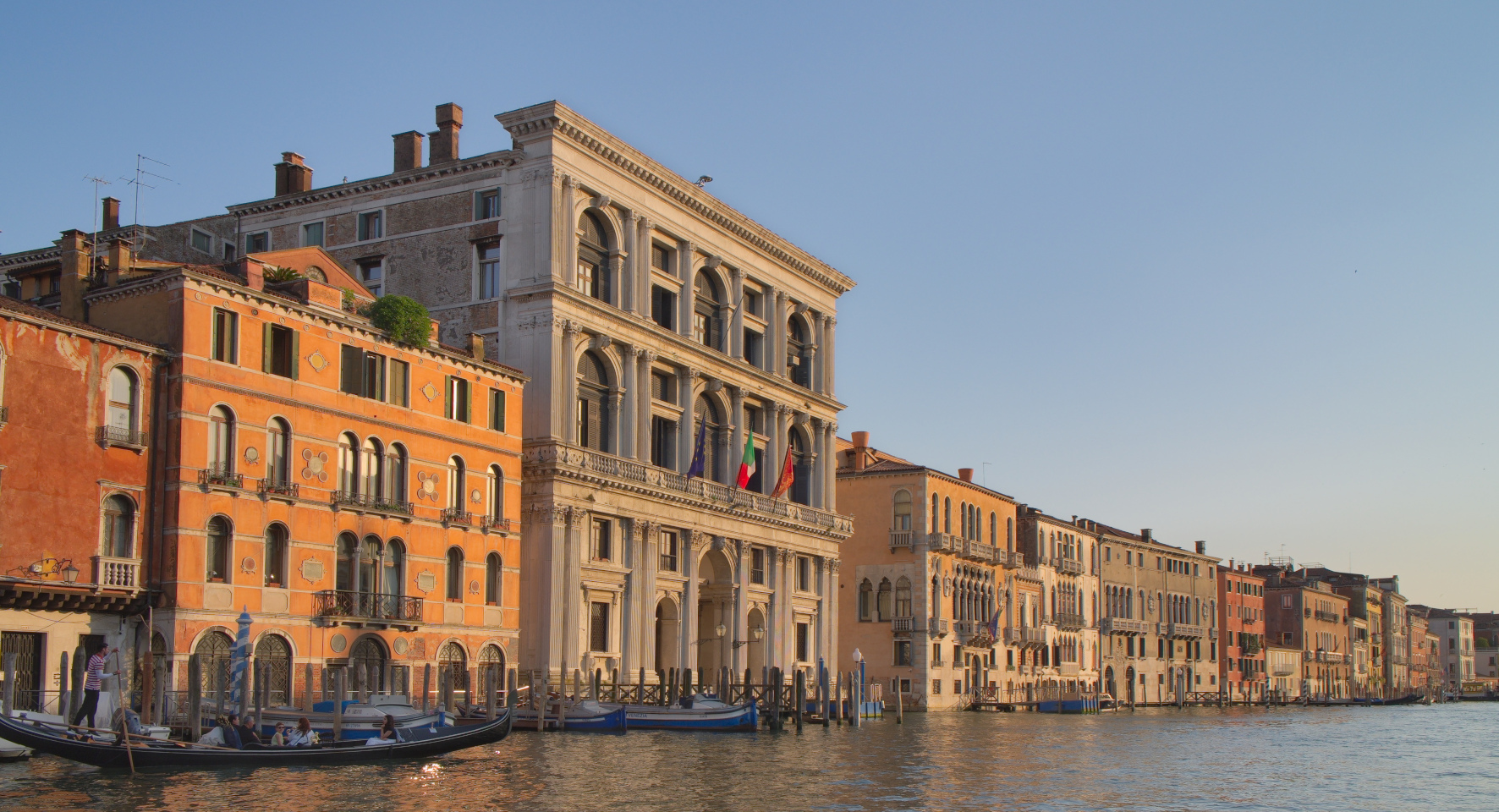
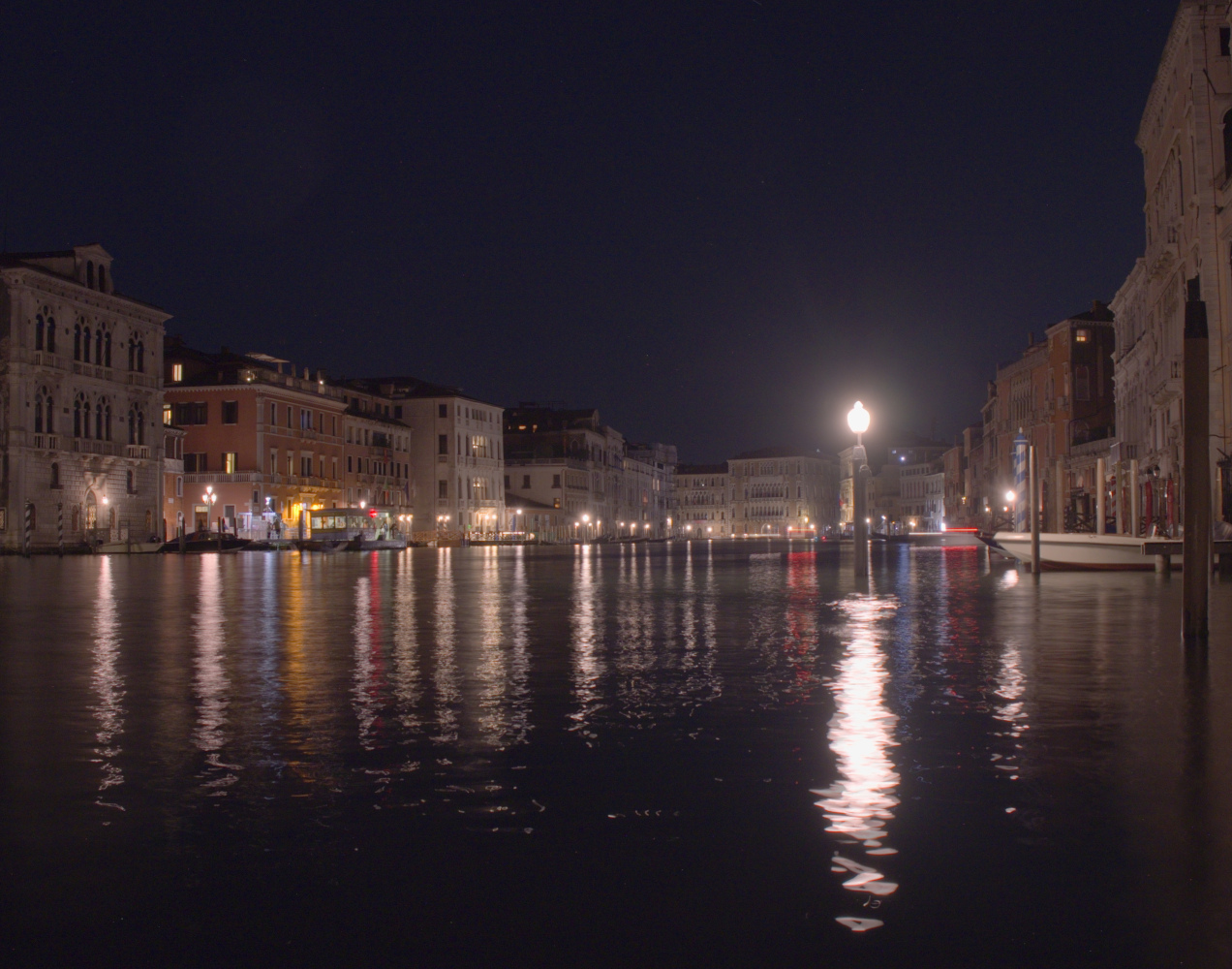
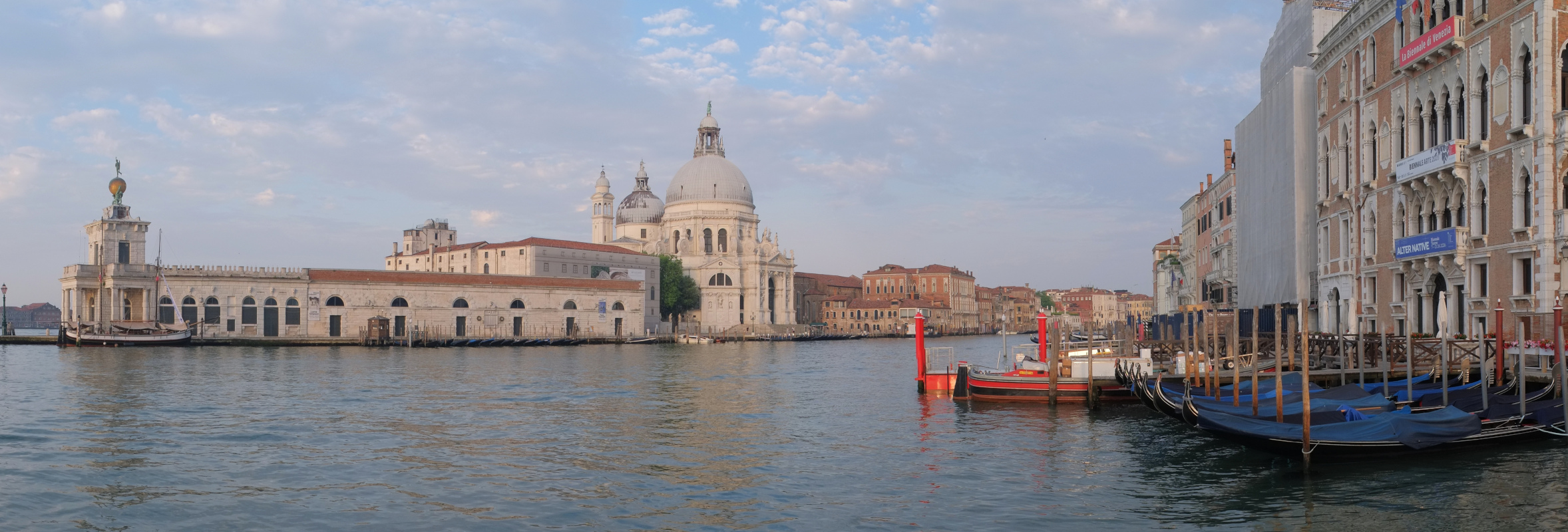
- St. Mark's Square. The Venetians claim to have looted
Alexandria and made of with the relics of St. Mark very early in
their history, then placed themselves under his patronage. So
his image is everywhere, including on the traditional Venetian
flag.

- I don't like opera myself, but La Fenice is one of the world's
premier opera houses. Throughout the Renaissance, Baroque, and
Classical periods, Venice was a major center of art and music.
(Vivaldi, for example -- who was a priest, by the way.)
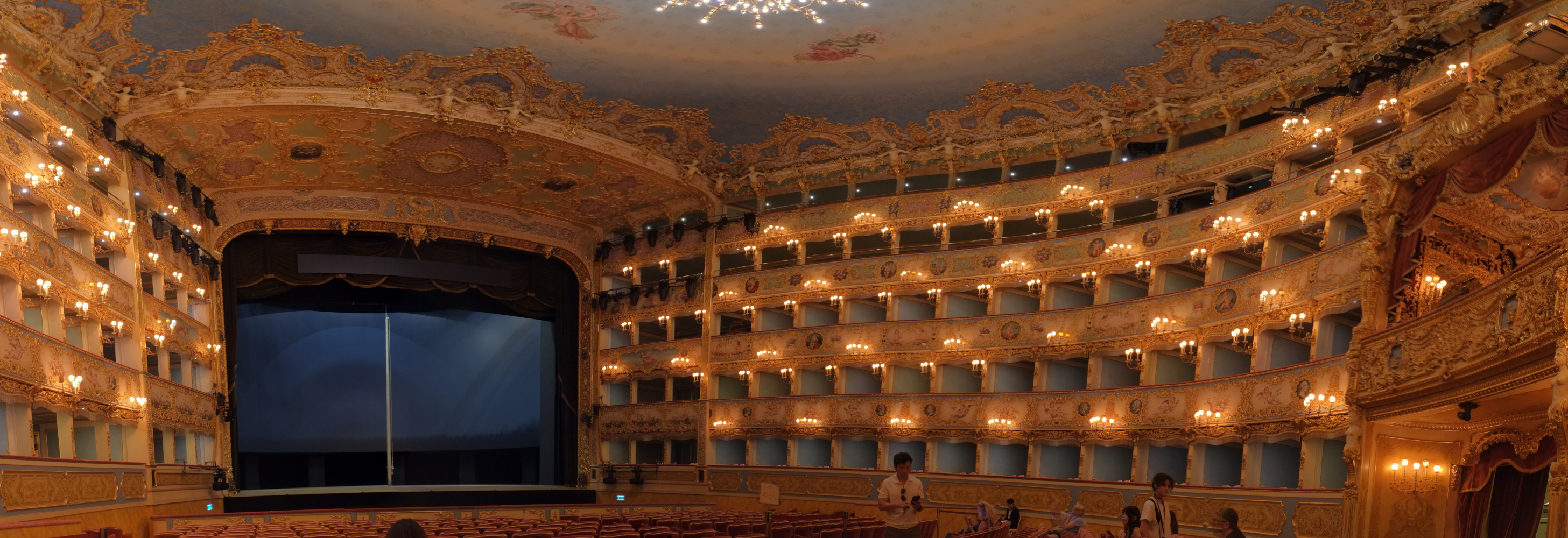
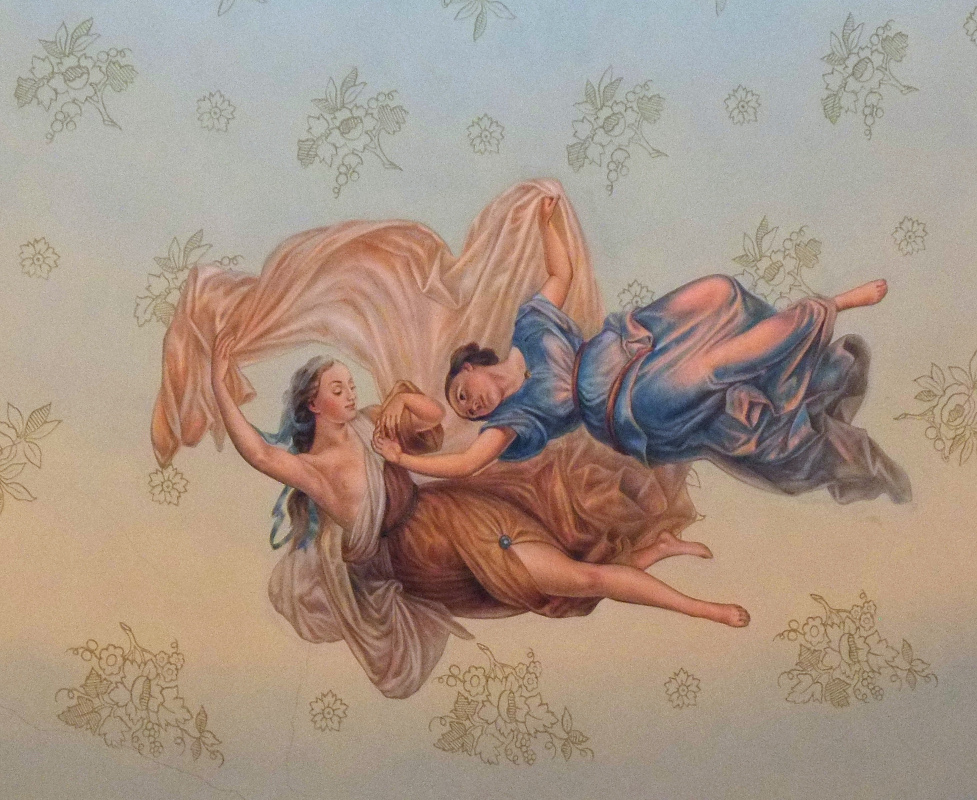
detail of the ceiling